The Complete Williams Island Buying Process: From Search to Closing
By Leon Damjanovic, REALTOR® — Polaris Advisors · · 11 min read · 1950 words
Category: Buyer Guides · Tags: buyer-guide, buying-process, closing, financing, insurance, step-by-step
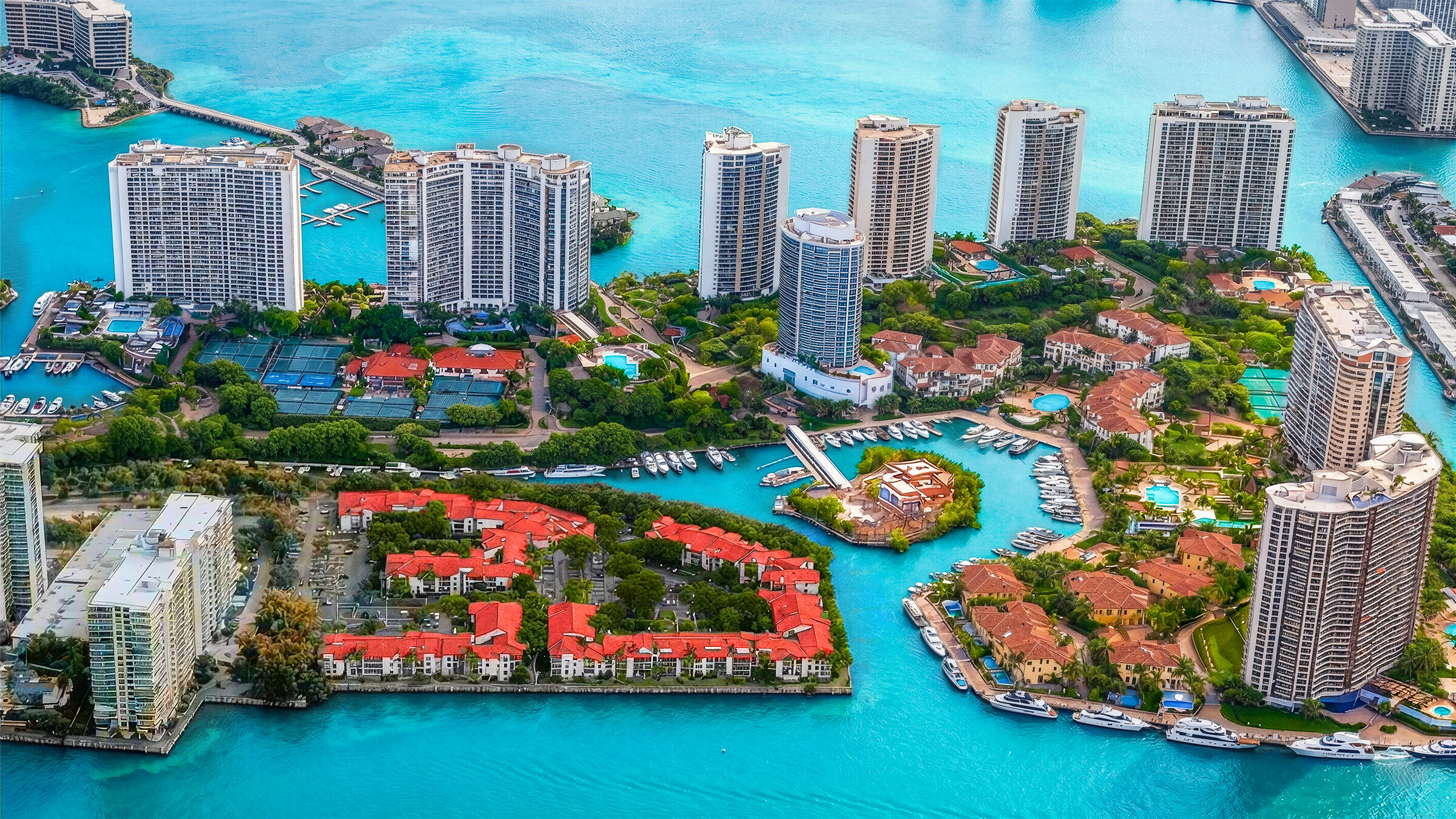
Buying at Williams Island isn't like buying a regular condo in South Florida. There are extra steps: condo association approval, club orientation, building-specific rules that affect your closing timeline, and a few things that catch people off guard if they haven't done this before.
Here's the process from start to finish, based on how we've walked over a hundred buyers through it.
Last updated: April 2026
Step 1: Define Your Requirements (Before You Tour)
Before you set foot on the island, answer these questions. Seriously. It'll save you weeks of looking at the wrong buildings.
- Budget: What's your all-in monthly number? Purchase price plus HOA plus taxes plus insurance. Not just the listing price.
- Size needs: How many bedrooms? Minimum square footage? Need a den or home office?
- Pets: If you have a large dog, your building options narrow to about five or six. Know this upfront.
- Views: Ocean, Intracoastal, Bay, city? Only Villa Marina and Bella Mare offer all three. Other buildings face specific directions.
- Investment intent: Planning to rent? Some buildings are more flexible than others. Clarify this early.
- Timeline: Cash closings can happen in 30 to 45 days. Financed closings take 60 to 90 days. Association approval adds 2 to 4 weeks on top of that.
We build a building shortlist based on these answers. Usually it narrows the 13 buildings down to 3 or 4 that actually fit.
Step 2: Touring the Island
First visit, plan 2 to 3 hours minimum. We drive the island, walk the grounds, tour available units, and visit the Club and pool complex. The vibe of the island matters, you're not just buying a unit, you're joining a community, and you can't get that from photos.
A few things we always point out during tours:
- The view from a listing photo is not the view you'll get. Floor level, unit position, and which direction you face all matter. We'll show you the difference between a 6th-floor east-facing unit and a 22nd-floor west-facing unit in the same building. It's significant.
- Walk the common areas. Check the lobby, hallways, gym, pool deck, parking garage. The condition of common areas tells you how well the building is managed.
- Time your visit right. If you can, visit during season (January through March) to see the island at peak energy, and also during the quieter months to see what everyday life looks like.
Step 3: Making an Offer
Once you've found the right unit, we prepare an offer. Here's what's standard at Williams Island:
- Earnest money deposit: Typically 10% of purchase price, held in escrow. In competitive situations, we sometimes recommend going higher to strengthen the offer.
- Inspection period: Usually 10 to 15 days for a standard transaction. During this period, you can back out for any reason and get your deposit back.
- Financing contingency: If you're getting a mortgage, the contract includes a financing contingency, typically 30 to 45 days.
- Association approval contingency: This is the Williams Island-specific piece. Your offer should be contingent on receiving association approval.
Cash offers move faster and are often preferred by sellers. If you're competing against a cash buyer, your offer needs to be stronger on price or terms to compensate for the additional uncertainty of financing.
Step 4: Due Diligence (The Inspection Period)
This is where you do your homework. During the inspection period:
Physical Inspection
Hire a licensed inspector who's done high-rise condos before. Regular home inspectors sometimes miss condo-specific issues. Key areas: HVAC system (salt air is hard on units), water heater, plumbing fixtures, windows and sliding doors (seal integrity), electrical panel age, and any signs of water intrusion.
Cost: typically $400 to $700 depending on unit size.
Document Review
Florida law requires sellers to provide the following condo documents. Review all of them:
- Declaration of Condominium: The governing document. Read the rules about pets, rentals, renovations, and use restrictions.
- Last 3 years of financials: Look at the reserve fund balance, any deficit spending, and pending special assessments.
- Meeting minutes (last 2 years): This is where you find out about planned renovations, disputes, upcoming assessments, and management issues. Read them carefully.
- Reserve study: Florida now requires structural reserve studies. This tells you whether the building is adequately funded for major repairs.
- Insurance certificate: Verify the building's master policy is current and adequate.
We can't stress this enough: read the meeting minutes. That's where the real information is. A building might look great in photos, but the minutes will tell you if there's a $15 million concrete restoration coming that'll result in a $30,000 special assessment per unit.
Step 5: Financing
If you're getting a mortgage, a few things specific to Williams Island condos:
- Condo approval: Your lender needs to approve not just you, but the building's condo association. Fannie Mae and Freddie Mac have specific requirements for condo projects. Not all Williams Island buildings are pre-approved by all lenders. We can recommend lenders who've already approved the buildings you're interested in.
- Down payment: Typically 20% to 25% for investment properties, 10% to 20% for primary residences, depending on the lender and building.
- Foreign buyers: International buyers can get financing, but it's more specialized. Expect 30% to 50% down, higher rates, and a longer process. We work with several lenders who specialize in foreign national mortgages.
- Jumbo loans: Many Williams Island units exceed conforming loan limits, so you'll be in jumbo territory. Rates are competitive but require strong documentation.
Cash buyers skip all of this, which is why sellers love cash offers. Closing can happen 3 to 4 weeks faster.
Step 6: Condo Association Approval
This is the step that surprises first-time Williams Island buyers. Every building has a condo association, and every buyer (and tenant) must be approved.
The process typically involves:
- Application form and fee (usually $100 to $500)
- Background check and credit check
- Financial documentation (proof of ability to pay maintenance fees)
- Board interview (required in some buildings, waived in others)
Timeline: 2 to 4 weeks from application submission. Some boards meet monthly, so timing matters. If you submit an application the day after a board meeting, you might wait a full month.
Can you be denied? Yes. Associations can deny approval for financial or background reasons. It's rare for qualified buyers, but it happens. Factor the approval timeline into your closing date, you don't want to miss your closing because you submitted the application late.
Step 7: Insurance
You'll need two types of insurance before closing:
- HO-6 policy (walls-in coverage): Covers your unit's interior, personal property, liability, and loss assessment. Premiums: $2,000 to $8,000/year depending on unit size, floor, and coverage limits. Shop this early, Florida's insurance market has been volatile and getting quotes can take time.
- Flood insurance: May be required by your lender depending on the unit's FEMA flood zone designation. Upper floors in high-rise towers are typically lower risk than ground-level units. Premiums vary widely.
The building's master policy covers the structure and common areas. Your HO-6 covers everything from the drywall in. Make sure the policies don't have gaps.
Step 8: Closing
Closing on a Williams Island condo typically takes place at a title company's office. Standard Florida closing costs for the buyer include:
- Title insurance: Required by most lenders. Cost is based on purchase price, typically $2,000 to $6,000.
- Documentary stamps (doc stamps): $0.70 per $100 of purchase price. On a $1M purchase, that's $7,000.
- Recording fees: A few hundred dollars.
- Lender fees: If financed, origination fee, appraisal, credit report, etc. Varies by lender.
- Prorated HOA: You'll reimburse the seller for any prepaid maintenance fees from closing date through month-end.
- Capital contribution: Some buildings charge a one-time capital contribution upon sale, typically 1 to 3 months of maintenance.
- Move-in deposit/fee: $200 to $500 depending on building.
Budget 2% to 4% of the purchase price for total closing costs as a buyer. On a $1 million purchase, that's roughly $20,000 to $40,000.
Step 9: Move-In and Orientation
After closing:
- Schedule your move with the building's management office. Moves are restricted to specific hours (usually 8am to 5pm weekdays) and require elevator reservation.
- Get your gate pass, building access cards, parking assignment, and mailbox key from management.
- Register for Club access. The Williams Island Club orientation will walk you through dining, spa, fitness, and tennis reservations.
- Meet your building's management team and concierge. They're your first point of contact for everything from package delivery to maintenance requests.
Timeline Summary
| Step | Cash Purchase | Financed Purchase |
|---|---|---|
| Offer to contract | 1 to 3 days | 1 to 3 days |
| Inspection period | 10 to 15 days | 10 to 15 days |
| Financing approval | N/A | 30 to 45 days |
| Association approval | 2 to 4 weeks | 2 to 4 weeks |
| Closing | Day 30 to 45 | Day 60 to 90 |
Cash transactions run about 30 to 45 days total. Financed deals are 60 to 90 days. The association approval can run concurrently with financing, so they don't always stack sequentially.
Common Mistakes We See
- Not reading the meeting minutes. We've seen buyers close on a unit and then get hit with a $20,000 special assessment that was discussed in the minutes they never read.
- Underestimating total monthly cost. Purchase price + HOA + taxes + insurance + Club fees. Calculate all of it before you offer.
- Submitting the association application late. This alone can delay closing by a month.
- Using a lender who hasn't approved the building. Lender condo approval can take weeks. Use a lender who's already done it.
- Skipping the physical inspection. "It's a condo, what could go wrong?" A lot, actually. HVAC systems, water heaters, and plumbing in older buildings need professional eyes.
If you're ready to start the process, reach out. We'll walk you through every step and make sure nothing falls through the cracks. For the community overview, see our complete guide.