Williams Island Condo Renovation Guide: Modernizing Classic Luxury
By Leon Damjanovic, REALTOR® — Polaris Advisors · · 9 min read · 1410 words
Category: Guides · Tags: renovation, remodel, interior-design, luxury-condos, guide
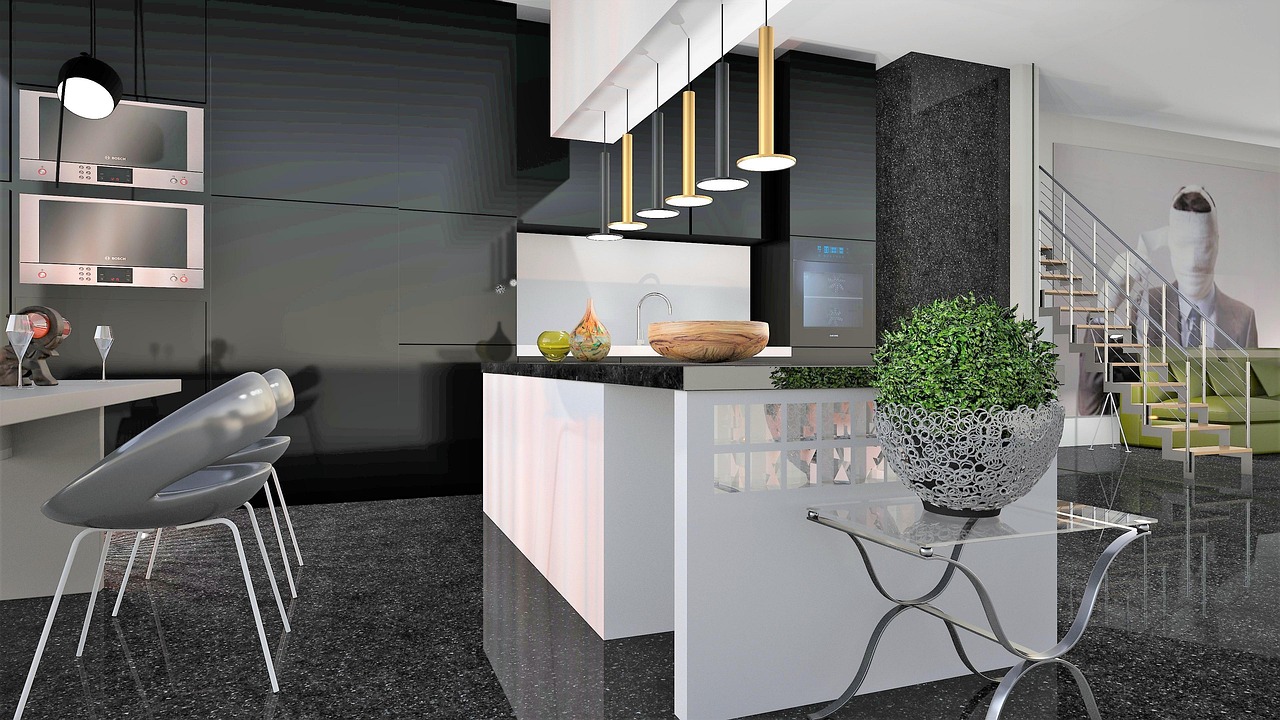
If you own in one of Williams Island's classic towers, anything built between 1985 and the late '90s, you're sitting on a great opportunity. The bones in these buildings are solid. Generous layouts, good ceiling heights, waterfront views that haven't changed. But the kitchens, bathrooms, and flooring? A lot of them are still original. And that's where the money is.
We've watched dozens of renovations happen across the island over the years, and the pattern's clear: owners who update their units see real returns, both in how the space feels and what it's worth on paper. Here's what you need to know.
Which Buildings Need It Most?
The biggest renovation upside is in the towers from the '80s and '90s:
4000 Island Blvd (1985) is the original tower, plenty of units still have the original everything. 3000 (1989) has good bones and kitchen/bath updates go a long way. 1000 Island Blvd (1991) is the biggest building on the island, and renovated units there sell at a serious premium over originals. 2800 has some of the best views, so a renovated unit with those views is a strong combination.
2000 Island Blvd (1996), 2600 Résidence du Cap (1997), and 7000 Villa Marina (1998) are a bit newer but still benefit from updates. Résidence du Cap has larger units, so budgets run higher, but so do the returns.
6000 Bella Mare (2005) and Bellini (2013) don't usually need much. That said, Bella Mare's approaching 20 years now, and we're starting to see more kitchen and bathroom refreshes there.
What People Actually Renovate
Kitchens ($35K – $120K)
This is where you get the most bang for your buck. Every time. The typical playbook: open up the layout if the structure allows it, swap the old laminate counters for quartz or marble, go with flat-panel cabinetry (white and gray are everywhere right now), and put in a proper appliance package, Sub-Zero, Wolf, Miele, that kind of thing. Add some pendant lighting and extend the new flooring from the living area, and it's a different kitchen.
For a smaller unit (1,200–1,600 sq ft), you're looking at $35K–$55K. Larger units with the full Sub-Zero/Wolf treatment? $80K–$120K. Not cheap, but the numbers work.
Bathrooms ($15K – $60K per bathroom)
The master baths in the classic towers are... dated. Lots of small tile, builder-grade vanities, tub/shower combos. Most people rip all of that out and go with frameless glass showers, floating vanities, large-format porcelain (24×48 or bigger), rain showerheads. Heated floors are popular too, the electric mat systems aren't that expensive to add.
Flooring ($15K – $45K)
Original flooring in these buildings is usually carpet, ceramic tile, or marble in the entry. Buyers today want large-format porcelain throughout, that's the dominant look on the island right now. Some people go with engineered hardwood in the living areas. If you're renovating a unit for rental income, luxury vinyl plank works and costs less.
One thing to know: every building has noise-reduction requirements. You'll need an underlayment that meets their STC rating, and your contractor has to confirm compliance before they start. Don't skip this, it can hold up your project.
Impact Windows ($20K – $80K)
A lot of classic towers still have the original windows. Upgrading to impact-rated glass gives you hurricane protection, cuts down on noise, and can lower your insurance premiums. This one's a bit different because it involves exterior work, so you'll need to coordinate with your association on scheduling.
Electrical and Lighting ($5K – $20K)
Older units sometimes can't handle modern appliance loads. Recessed LED lighting, extra outlets with USB, smart-home wiring for automated shades and lights, it all adds up but it's worth doing while the walls are open.
Dealing with the Board
Here's the part nobody loves. Every building has a condo association, and they all have renovation rules. The process goes roughly like this:
- Submit your plans to building management, scope of work, contractor info, insurance certs, timeline. Be thorough.
- Wait for board review. Usually takes 2–4 weeks, sometimes longer. Don't schedule your contractor until you have approval.
- Contractor requirements: they need to be licensed, carry at least $1M in liability insurance, and have workers' comp. Some buildings keep a list of pre-approved contractors.
- Work hours: weekdays only, typically 9 to 5. No weekends, no holidays. Plan accordingly.
- Damage deposit: usually $5K–$25K depending on scope. You get it back if everything's left in good shape.
- Duration limits: some buildings cap you at 90–120 days. If your reno's going to take longer, talk to management early.
Biggest tip we can give: start the approval process before you lock in your contractor's schedule. Board delays happen, and they'll push your entire timeline.
What Actually Pays Off
Based on what we've seen in recent sales:
| Renovation | Typical Cost | Value Added | ROI |
|---|---|---|---|
| Kitchen (full) | $50K – $90K | $70K – $130K | 120–150% |
| Master Bathroom | $25K – $45K | $30K – $55K | 110–130% |
| Flooring (whole unit) | $15K – $35K | $20K – $45K | 120–140% |
| Impact Windows | $25K – $60K | $20K – $50K | 75–90% |
| Full Gut Reno | $150K – $300K | $180K – $400K | 110–140% |
The sweet spot? Buy an original-condition unit in 1000, 4000, or 3000, renovate it, and either rent it at premium rates or resell. A fully renovated 2BR/2BA in those buildings can sell for $150K–$250K more than one that hasn't been touched. That math tends to work out pretty well.
Finding a Contractor
This isn't like renovating a house. High-rise condo work has its own rules, freight elevators, limited hours, noise restrictions, board approvals. You need someone who's done this before, ideally in this building or a similar one in Aventura.
Best starting point: ask your building's management office who's done recent projects in the building. Talk to neighbors who've renovated. The island's a small community and word gets around, if a contractor does great work (or terrible work), people know about it.
For building-by-building details and floor plans, check our building guide. And if you're thinking about buying a unit specifically to renovate, our buying guide covers what to look for.